Description
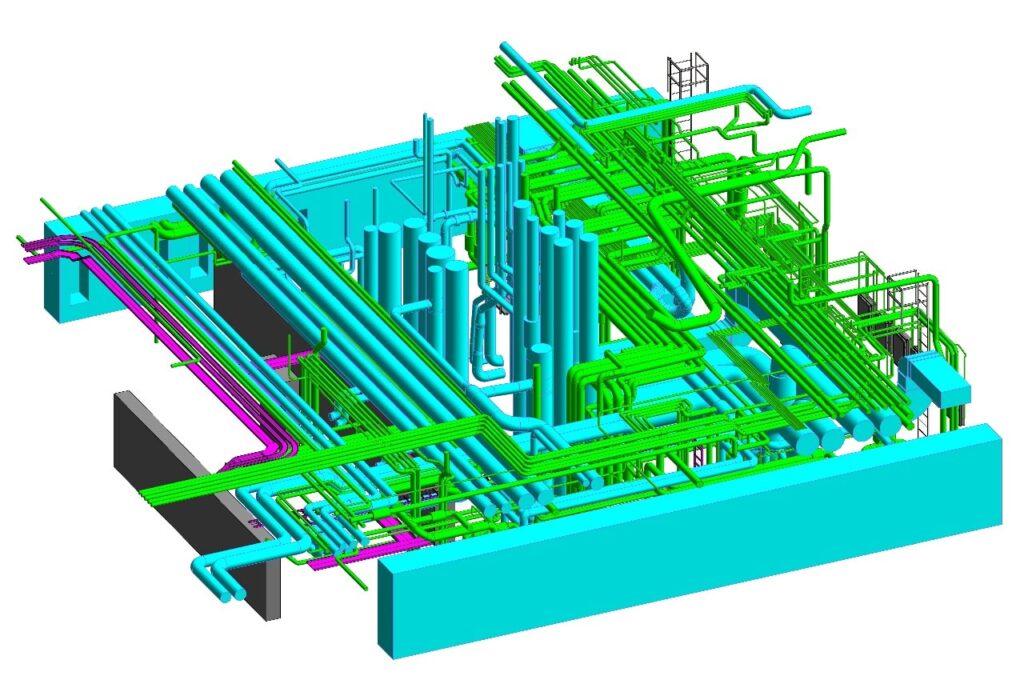
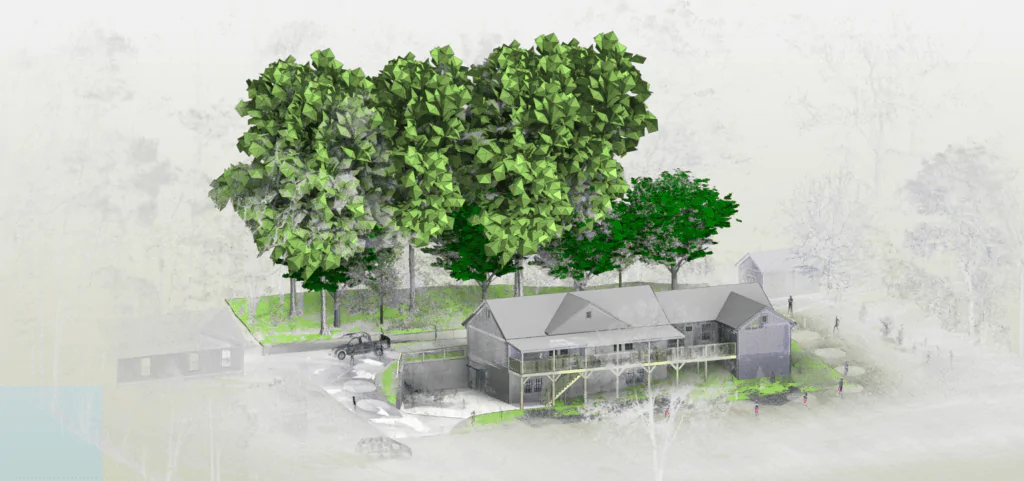
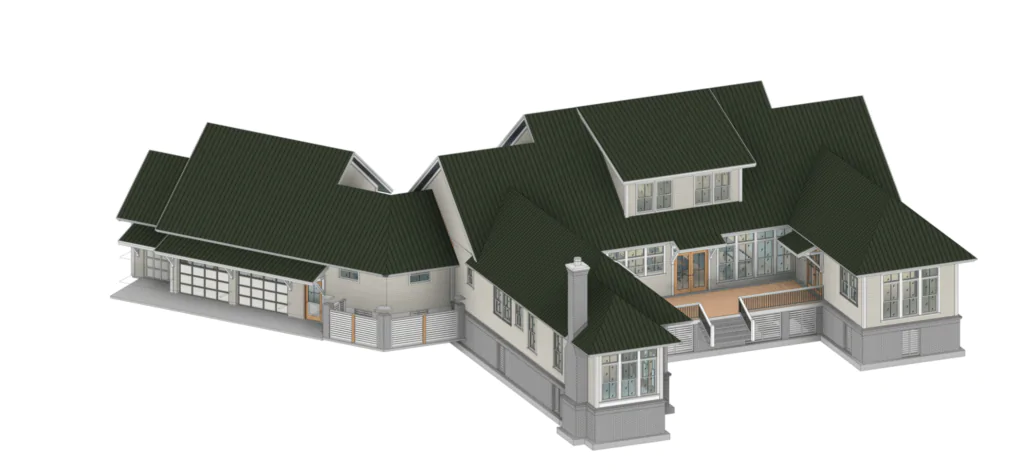
This case study showcases the successful conversion of CAD drawings into a BIM model for a residential project located in the USA. The project involved a 8,500 sqft residential space, where the goal was to integrate architectural, structural, and MEP systems into a comprehensive BIM model. The final deliverables included 3D models, shop drawings, schedules, and detailed floor plans, all derived from initial CAD inputs provided by the client.
The project aimed to improve construction efficiency, minimize errors, and enhance communication between all project stakeholders.
Location:
California, USA
Square Feet:
8500 sqft
Status:
Completed
Challenges
- Incomplete CAD Drawings
- Coordination Among Multiple Disciplines
- Generating Accurate Shop Drawings and Schedules
Solution
The initial CAD drawings were incomplete, so we reviewed the files, coordinated with the client, and they conducted a site survey to resolve discrepancies before BIM conversion. Integrating architecture, structure, and MEP systems was complex, so we used a collaborative BIM platform, held regular coordination meetings, and used clash detection to catch conflicts early. For shop drawings and schedules, we leveraged advanced BIM tools to automate extractions, reducing manual work and minimizing errors.
Methodology
We followed a structured workflow to ensure project success:
- Data Review & Preparation: Reviewed CAD files and gathered additional information for accurate conversion.
- BIM Conversion: Used Autodesk Revit to build a detailed BIM model with architectural, structural, and MEP components.
- Coordination & Clash Detection: Conducted clash detection and coordinated with stakeholders to resolve system conflicts.
- Shop Drawings & Schedules: Automated the extraction of updated shop drawings and schedules from the BIM model.
- Final Review & Handover: Performed a quality check and delivered the finalized BIM model and documentation to the client.
Conclusion
The CAD to BIM conversion for the 6,500 sqft residential project was completed successfully, with all objectives met. The integration of BIM technology provided a streamlined workflow, reduced errors, and improved coordination among all disciplines. The project was delivered on time, with the final BIM model and associated documentation empowering the client to make informed decisions during the construction phase.